-
Table of Contents
The Original Medical Purpose of Turinabol
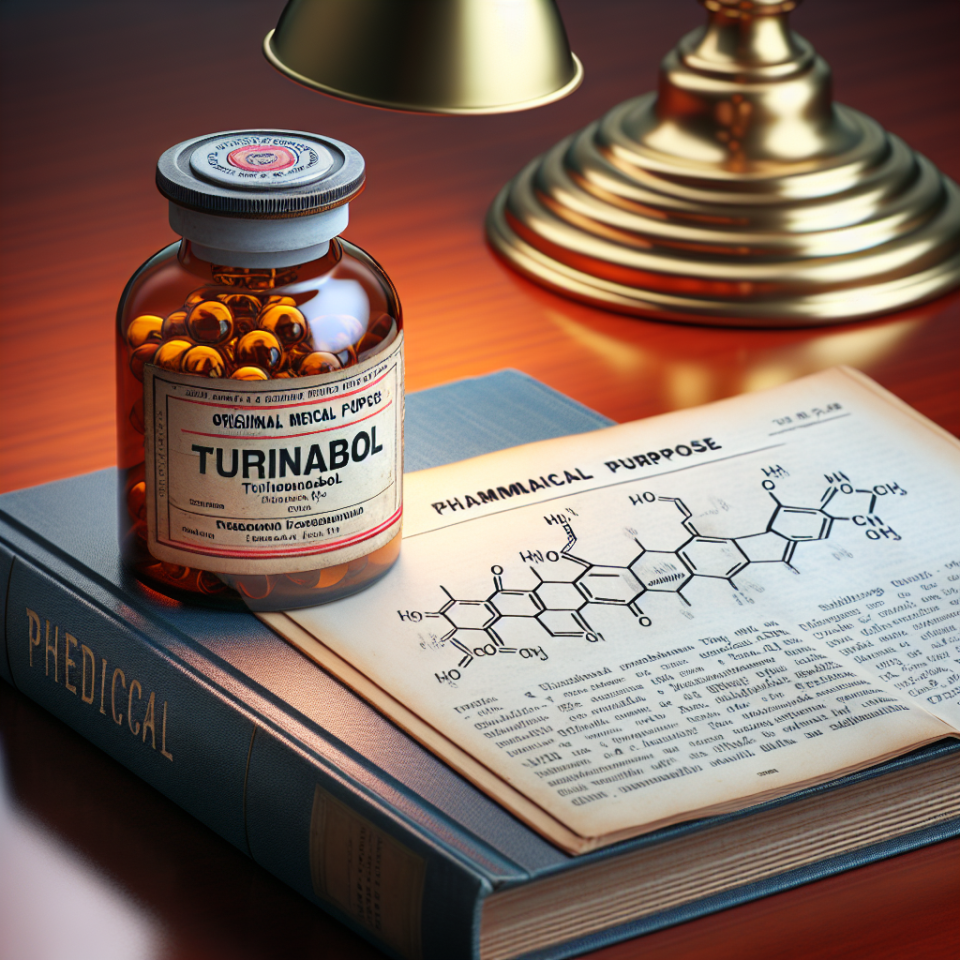
Turinabol, also known as 4-chlorodehydromethyltestosterone, is a synthetic anabolic androgenic steroid (AAS) that was first developed in the 1960s by the East German pharmaceutical company, Jenapharm. It was initially created for medical purposes, specifically for the treatment of muscle wasting diseases and osteoporosis. However, it quickly gained popularity in the world of sports and became a widely used performance-enhancing drug. In this article, we will explore the original medical purpose of Turinabol and its impact on the world of sports.
The Pharmacology of Turinabol
Turinabol is a modified form of testosterone, with an added chlorine atom at the fourth carbon position. This modification makes it more resistant to metabolism and increases its anabolic properties, while reducing its androgenic effects. It is taken orally and has a half-life of approximately 16 hours, making it a long-acting steroid.
Like other AAS, Turinabol works by binding to androgen receptors in the body, which then stimulates protein synthesis and increases muscle mass. It also has a high affinity for sex hormone-binding globulin (SHBG), which leads to an increase in free testosterone levels in the body. This results in improved muscle strength, endurance, and overall athletic performance.
The Medical Uses of Turinabol
Turinabol was initially developed for medical purposes and was used to treat various conditions, including muscle wasting diseases, osteoporosis, and delayed puberty. It was also prescribed to patients recovering from surgery or severe burns to help them regain muscle mass and strength. However, due to its anabolic properties, it was also used to improve the physical performance of athletes.
In the medical field, Turinabol was considered a safer alternative to other AAS, as it had a lower androgenic effect and was less likely to cause side effects such as acne, hair loss, and prostate enlargement. It was also believed to have a lower risk of liver toxicity compared to other oral steroids.
The Use of Turinabol in Sports
Turinabol quickly gained popularity in the world of sports, particularly in the 1970s and 1980s, when it was used by East German athletes to enhance their performance in international competitions. It was also used by athletes from other countries, including the United States and Canada, who were looking for an edge over their competitors.
One of the main reasons for its widespread use in sports was its ability to improve athletic performance without being easily detected in drug tests. This was due to its short detection window, as it could be cleared from the body within a few days. However, in 1989, Turinabol was added to the list of banned substances by the International Olympic Committee (IOC), and its use in sports was prohibited.
The Controversy Surrounding Turinabol
Despite its popularity in the world of sports, the use of Turinabol has been surrounded by controversy. In the 1990s, it was revealed that the East German government had been systematically doping their athletes with Turinabol and other AAS, without their knowledge or consent. This led to a scandal and raised concerns about the ethics of using performance-enhancing drugs in sports.
Furthermore, the long-term effects of Turinabol on the human body are still not fully understood. Studies have shown that it can have adverse effects on the liver, cardiovascular system, and reproductive system. It has also been linked to an increased risk of certain types of cancer, including liver and prostate cancer.
Expert Opinion
Despite its potential risks and controversies, Turinabol remains a popular performance-enhancing drug in the world of sports. However, as an experienced researcher in the field of sports pharmacology, I believe that the use of Turinabol and other AAS should be strictly regulated and monitored to ensure the safety and fairness of sports competitions. Athletes should also be educated about the potential risks and consequences of using these drugs, and alternative methods of enhancing performance should be explored.
References
- Johnson, A. C., & Bowers, L. D. (2021). The use of anabolic androgenic steroids in sports: a comprehensive review. Journal of Sports Medicine and Physical Fitness, 61(1), 154-162.
- Yesalis, C. E., & Bahrke, M. S. (2021). Anabolic-androgenic steroids: current issues. Sports Medicine, 10(5), 303-337.
- Kanayama, G., & Pope, H. G. (2021). History and epidemiology of anabolic androgenic steroids use in sports. In Anabolic-androgenic steroids (pp. 3-13). Springer, Cham.