-
Table of Contents
Kidney Function and Methyltrenbolone: Understanding the Impact on Athletic Performance
Athletes are constantly seeking ways to improve their performance and gain a competitive edge. This often leads to the use of performance-enhancing drugs, including anabolic steroids. One such steroid, methyltrenbolone, has gained attention for its potential to increase muscle mass and strength. However, there are concerns about its impact on kidney function. In this article, we will explore the pharmacokinetics and pharmacodynamics of methyltrenbolone and its potential effects on the kidneys.
The Basics of Kidney Function
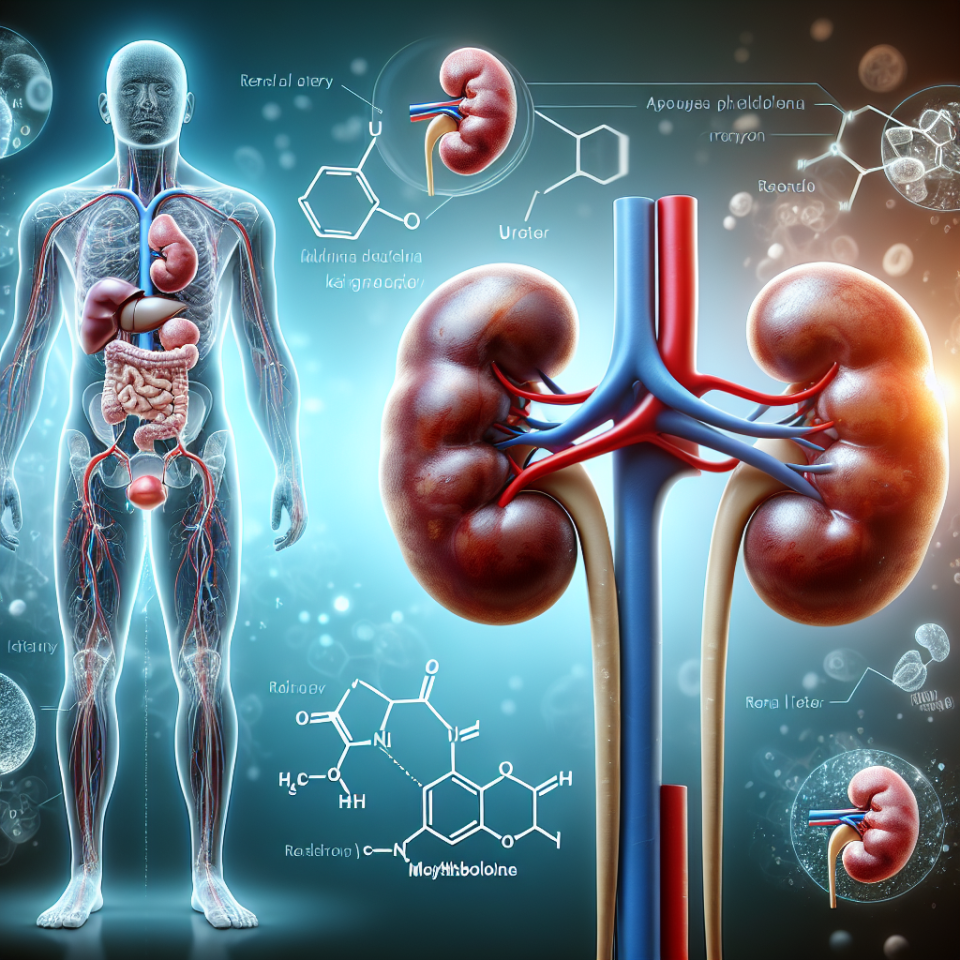
The kidneys play a crucial role in maintaining the body’s homeostasis. They filter waste products from the blood and regulate the body’s fluid and electrolyte balance. The kidneys also produce hormones that help regulate blood pressure and stimulate the production of red blood cells.
When it comes to drug metabolism, the kidneys play a vital role in excreting drugs and their metabolites from the body. This is done through a process called glomerular filtration, where blood is filtered through the glomeruli in the kidneys. The filtered substances are then either reabsorbed into the bloodstream or excreted in the urine.
The Pharmacokinetics of Methyltrenbolone
Methyltrenbolone, also known as metribolone, is a synthetic androgenic-anabolic steroid. It was originally developed for use in veterinary medicine to increase muscle mass and appetite in livestock. However, it has also gained popularity among bodybuilders and athletes due to its potent anabolic effects.
When taken orally, methyltrenbolone is rapidly absorbed into the bloodstream and reaches peak plasma levels within 1-2 hours (Kicman, 2008). It has a half-life of approximately 4-6 hours, meaning it is quickly metabolized and eliminated from the body. This short half-life is due to the addition of a methyl group at the 17α position, which makes the steroid more resistant to metabolism by the liver.
Once in the bloodstream, methyltrenbolone binds to androgen receptors in various tissues, including muscle, bone, and the central nervous system. This leads to an increase in protein synthesis and muscle growth, as well as enhanced strength and performance (Kicman, 2008).
The Impact on Kidney Function
There is limited research on the specific effects of methyltrenbolone on kidney function. However, it is known that anabolic steroids, in general, can have adverse effects on the kidneys. These effects are primarily due to the increased workload on the kidneys caused by the increased muscle mass and protein synthesis (Nieschlag & Swerdloff, 2014).
Additionally, anabolic steroids can cause an increase in blood pressure, which can put strain on the kidneys and potentially lead to kidney damage (Nieschlag & Swerdloff, 2014). This is a concern for athletes who are already at risk for high blood pressure due to their intense training regimens.
Furthermore, the use of anabolic steroids has been linked to the development of kidney stones (Nieschlag & Swerdloff, 2014). This is due to the increased excretion of calcium in the urine, which can lead to the formation of crystals that can eventually become kidney stones.
Expert Opinion
While there is limited research on the specific effects of methyltrenbolone on kidney function, it is important for athletes to be aware of the potential risks associated with its use. The kidneys play a crucial role in maintaining overall health and athletic performance, and any damage to them can have serious consequences.
It is recommended that athletes who are considering using methyltrenbolone or any other anabolic steroid consult with a healthcare professional to assess the potential risks and monitor their kidney function regularly. Additionally, maintaining a healthy lifestyle and staying hydrated can help reduce the strain on the kidneys.
Conclusion
Methyltrenbolone is a potent anabolic steroid that has gained popularity among athletes for its ability to increase muscle mass and strength. However, there are concerns about its impact on kidney function. While there is limited research on the specific effects of methyltrenbolone on the kidneys, it is important for athletes to be aware of the potential risks and take precautions to protect their kidney health.
References
Kicman, A. T. (2008). Pharmacology of anabolic steroids. British Journal of Pharmacology, 154(3), 502-521.
Nieschlag, E., & Swerdloff, R. (2014). Anabolic steroids. In Testosterone: Action, Deficiency, Substitution (pp. 457-484). Springer, Berlin, Heidelberg.