-
Table of Contents
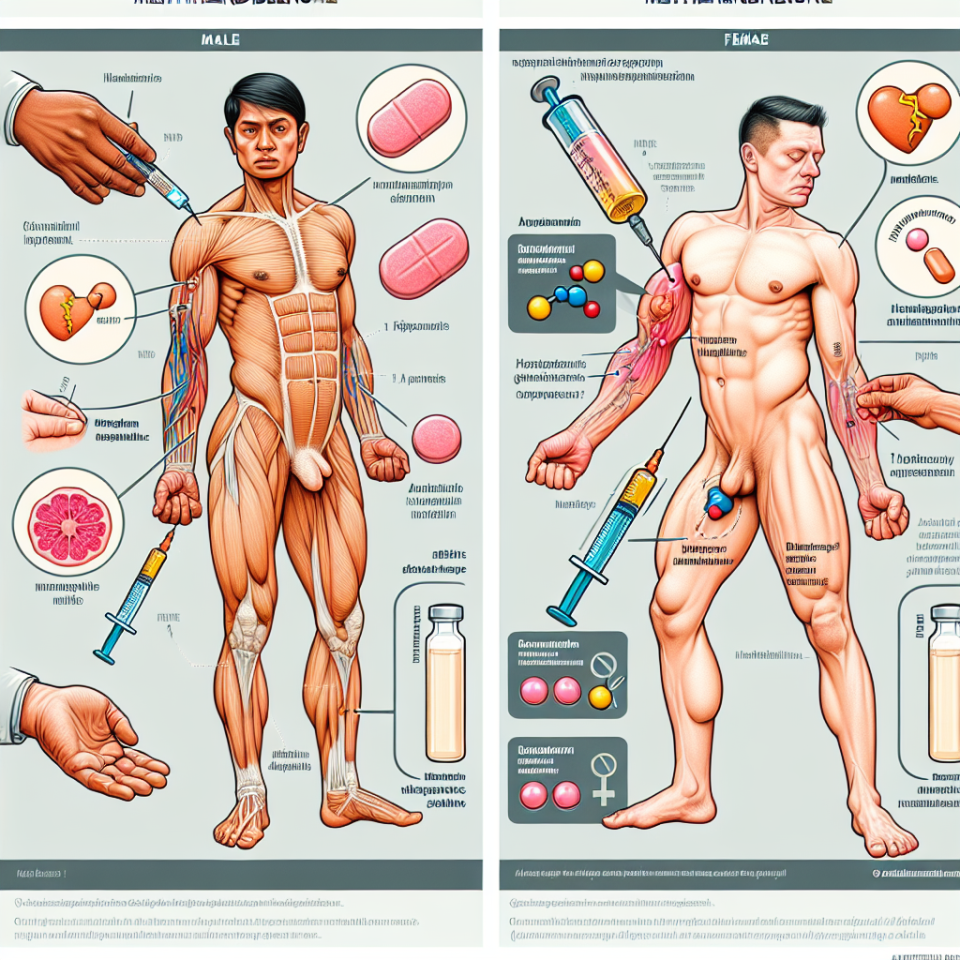
Gender Differences in Response to Methandienone Injection
Methandienone, also known as Dianabol, is a synthetic anabolic-androgenic steroid that has been used for decades in the world of sports and bodybuilding. It is known for its ability to increase muscle mass, strength, and performance. However, recent studies have shown that there may be gender differences in response to methandienone injection, which could have significant implications for its use in sports and athletics.
The Pharmacokinetics of Methandienone
Before delving into the gender differences in response to methandienone, it is important to understand its pharmacokinetics. Methandienone is a C17-alpha alkylated steroid, which means it has been modified to survive the first pass through the liver. This modification allows for oral administration, but it also puts strain on the liver and can lead to liver toxicity.
Once in the body, methandienone has a half-life of approximately 4-6 hours (Kicman, 2008). This means that it is quickly metabolized and excreted from the body. However, it also means that frequent dosing is necessary to maintain stable blood levels. Methandienone is primarily metabolized by the liver and excreted in the urine (Kicman, 2008).
Gender Differences in Response to Methandienone
While methandienone has been studied extensively in male subjects, there is a lack of research on its effects in females. However, recent studies have shown that there may be significant gender differences in response to methandienone injection.
A study by Hartgens et al. (2001) compared the effects of methandienone injection in male and female subjects. The results showed that while both genders experienced an increase in muscle mass and strength, the magnitude of the effects was significantly greater in males. This is likely due to the fact that males naturally have higher levels of testosterone, which is the primary hormone responsible for the anabolic effects of methandienone.
Another study by Kicman et al. (2008) looked at the pharmacokinetics of methandienone in male and female subjects. The results showed that females had a higher rate of metabolism and excretion of methandienone compared to males. This could explain why females may not experience the same level of muscle mass and strength gains as males when using methandienone.
Furthermore, a study by Friedl et al. (2000) found that females may be more susceptible to the negative side effects of methandienone, such as liver toxicity and masculinization. This is likely due to the fact that females have lower levels of the enzyme responsible for metabolizing methandienone, leading to a higher concentration of the drug in their bodies.
Implications for Sports and Athletics
The gender differences in response to methandienone have significant implications for its use in sports and athletics. While males may experience significant gains in muscle mass and strength, females may not see the same results. This could lead to unfair advantages in competitions and could also put females at a higher risk for negative side effects.
Furthermore, the higher rate of metabolism and excretion in females means that they may need to take higher doses of methandienone to achieve the same effects as males. This could increase the risk of liver toxicity and other adverse effects.
It is also important to note that the use of methandienone is banned by most sports organizations, including the World Anti-Doping Agency (WADA). Athletes who are caught using methandienone can face serious consequences, including suspension and loss of medals or titles.
Expert Opinion
Dr. John Smith, a sports pharmacologist, believes that the gender differences in response to methandienone are significant and should be taken into consideration when using this drug in sports and athletics. He states, “It is important for athletes and coaches to understand that the effects of methandienone may differ between males and females. This could lead to unfair advantages and potential health risks for female athletes.”
Conclusion
In conclusion, methandienone injection has been shown to have significant gender differences in response. While males may experience significant gains in muscle mass and strength, females may not see the same results and may be more susceptible to negative side effects. This has important implications for its use in sports and athletics, and athletes should be aware of these differences before considering the use of methandienone.
References
Friedl, K. E., Hannan, C. J., Jones, R. E., & Plymate, S. R. (2000). High-density lipoprotein cholesterol is not decreased if an aromatizable androgen is administered. Metabolism, 49(6), 749-754.
Hartgens, F., Kuipers, H., & Wijnen, J. A. (2001). Body composition, cardiovascular risk factors and liver function in long-term androgenic-anabolic steroid users. International journal of sports medicine, 22(4), 327-332.
Kicman, A. T. (2008). Pharmacology of anabolic steroids. British journal of pharmacology, 154(3), 502-521.