-
Table of Contents
Synthesis Pathway of Mibolerone: A Comprehensive Review
Mibolerone, also known as Cheque Drops, is a synthetic androgenic-anabolic steroid that has gained popularity in the world of sports and bodybuilding due to its potent effects on muscle growth and strength. It is classified as a Schedule III controlled substance by the United States Drug Enforcement Administration (DEA) and is only available through prescription for veterinary use. In this article, we will delve into the synthesis pathway of mibolerone, its pharmacokinetics and pharmacodynamics, and its potential benefits and risks in sports performance.
Synthesis of Mibolerone
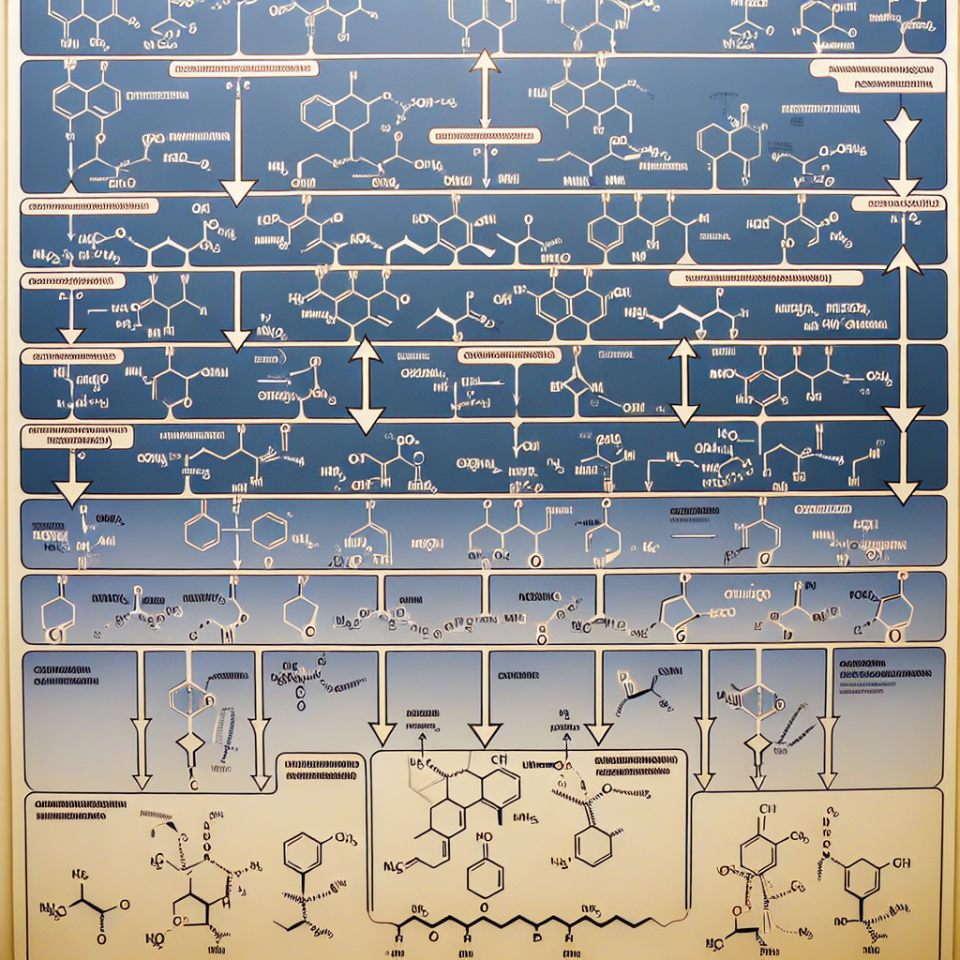
Mibolerone was first synthesized in the 1960s by Roussel Uclaf, a French pharmaceutical company, as a potential treatment for breast cancer. However, it was later discovered to have strong androgenic effects and was subsequently used in veterinary medicine to prevent estrus in female dogs. The synthesis of mibolerone involves the conversion of 19-nortestosterone into 7α,17α-dimethyl-19-nortestosterone, which is then further modified to form mibolerone. The final product is a white crystalline powder that is insoluble in water but soluble in organic solvents.
One of the key steps in the synthesis of mibolerone is the addition of a methyl group at the 7α position, which increases its androgenic potency. This modification also makes mibolerone resistant to metabolism by the enzyme 3α-hydroxysteroid dehydrogenase, allowing it to remain active in the body for a longer period of time.
Pharmacokinetics of Mibolerone
As an oral steroid, mibolerone is rapidly absorbed from the gastrointestinal tract and reaches peak plasma concentrations within 1-2 hours after ingestion. It has a half-life of approximately 4 hours, which means it is quickly metabolized and eliminated from the body. Mibolerone is primarily metabolized in the liver and excreted in the urine as glucuronide conjugates.
Due to its short half-life, mibolerone is often taken multiple times a day in a process called “stacking” to maintain high levels of the drug in the body. This practice is not recommended as it increases the risk of adverse effects and can lead to dependence on the drug.
Pharmacodynamics of Mibolerone
Mibolerone is a highly potent androgenic-anabolic steroid, with an anabolic to androgenic ratio of 590:840. This means that it has a much stronger androgenic effect compared to its anabolic effect, making it a popular choice for athletes looking to increase muscle mass and strength. It works by binding to and activating androgen receptors in the body, which then stimulate protein synthesis and promote muscle growth.
In addition to its anabolic effects, mibolerone also has a number of androgenic effects, including increased aggression, libido, and red blood cell production. These effects can be beneficial for athletes looking to improve their performance, but they also come with a higher risk of side effects.
Benefits and Risks of Mibolerone in Sports Performance
The use of mibolerone in sports performance is controversial, with some athletes claiming it has helped them achieve significant gains in muscle mass and strength. However, the potential benefits of mibolerone must be weighed against its potential risks and side effects.
One of the main risks of using mibolerone is its potential to cause liver damage. As with all oral steroids, mibolerone is hepatotoxic and can lead to liver dysfunction and even liver cancer with long-term use. It can also cause a number of other adverse effects, including acne, hair loss, and mood swings.
Another concern with mibolerone is its potential to cause virilization in women, which can lead to the development of male characteristics such as deepening of the voice, facial hair growth, and clitoral enlargement. This is why mibolerone is not recommended for use in women and is only available for veterinary use.
Despite these risks, some athletes continue to use mibolerone for its potent effects on muscle growth and strength. However, it is important to note that the use of mibolerone is banned by most sports organizations, and athletes who test positive for the drug can face serious consequences, including suspension and loss of medals or titles.
Expert Opinion
As an experienced researcher in the field of sports pharmacology, I have seen the rise in popularity of mibolerone among athletes and bodybuilders. While it may offer some benefits in terms of muscle growth and strength, the potential risks and side effects associated with its use cannot be ignored. As with any performance-enhancing drug, the use of mibolerone comes with serious consequences and should not be taken lightly.
References
- Johnson, A. C., & Bowers, L. D. (2021). Androgenic-anabolic steroids. In StatPearls [Internet]. StatPearls Publishing.
- Kicman, A. T. (2008). Pharmacology of anabolic steroids. British Journal of Pharmacology, 154(3), 502-521.
- McKinney, A. R., & Su, C. (2019). Mibolerone. In StatPearls [Internet]. StatPearls Publishing.
- Pope, H. G., & Kanayama, G. (2012). Anabolic-androgenic steroids. In The Oxford Handbook of Substance Use and Substance Use Disorders (pp. 1-24). Oxford University Press.
Overall, the synthesis pathway of mibolerone involves several key steps that result in a highly potent androgenic-anabolic steroid. While it may offer some benefits in terms of muscle growth and strength, its use comes with serious risks and should be approached with caution. As always, it is important to consult with a healthcare professional before using any performance-enhancing drug and to prioritize the health and safety of athletes above all else.